
Honor as Performance
Lazarillo de TormesThis thread traces honor from the squire’s theatrical etiquette to Lázaro’s final decision to defend appearances over certainty.
increasing Bearing strength in each event
 decreasing
Bearing strength in each eventdecreasingA Claim to Good Birth
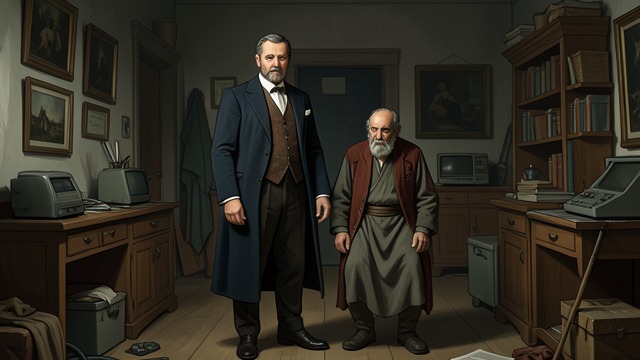
Status Is Presented as an Inheritance
A Contrast of Fortunes
Lázaro invites those born to privilege to consider people who rise despite adversity.
The Ground for Satire
His own low origins make conventional claims to honorable standing vulnerable to comparison.
The Squire’s Hat
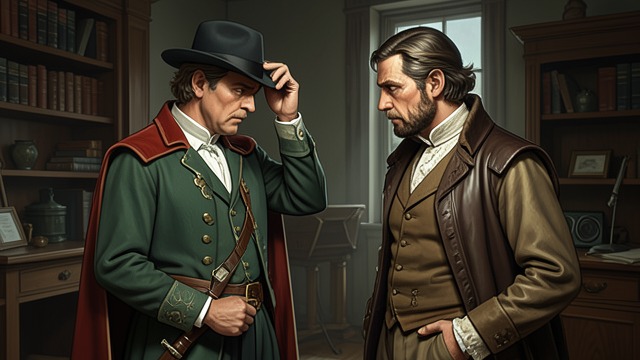
Etiquette Becomes a Measure of Rank
Repeated Deference
The squire resents having to remove his hat first before a richer gentleman.
Empty Prestige
His careful distinctions preserve status in conversation but cannot secure food or pay rent.
Honor at the Doorway
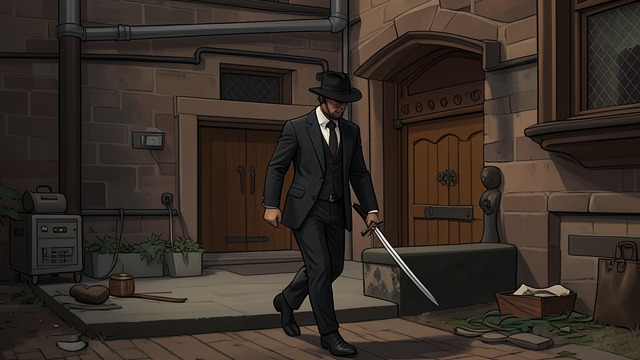
Appearance Conceals Hardship
Grooming and Ceremony
The squire dresses carefully, carries a sword, and walks with practiced assurance.
A Hidden Cost
Lázaro sees that the performance survives even though its performer has no meal to offer.
A Wife’s Reputation
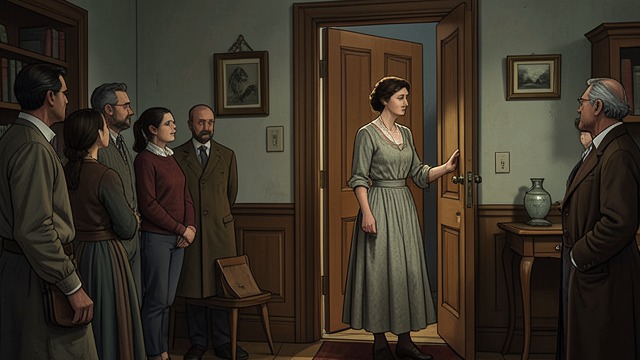
Honor Moves Into Domestic Life
Gossip as Threat
The wife’s visits become grounds for questioning her sexual reputation.
Public Defense
Lázaro answers not by investigating but by insisting that she is beyond reproach.
Honor Recast as Comfort
Respectability Is Replaced by Security
A Different Measure
Lázaro calls himself fortunate because he has a job, a home, and dependable provisions.
Ironic Achievement
He rejects the old honor code in practice, yet still protects the public appearance that sustains him.
In the prologue’s account of noble beginnings
During the discussion of the squire’s life in Castilla la Vieja
During the squire’s first morning in Toledo
After rumors connect Lázaro’s wife with the archpriest
In Lázaro’s final claims of prosperity
